

Tooth loss is something millions of people face, yet it still feels deeply personal when it happens to you. Dr. Faranak Khasraghi, DDS, DMD and the team at County Center Dental Group know that replacing missing teeth goes beyond restoring your smile. It’s about reclaiming the ability to eat comfortably, speak clearly, and feel like yourself again. Partial and full dentures are time-tested solutions that are more natural-looking, better fitting, and more comfortable than ever before, giving you real, lasting results that match your life and your needs.
Partials & Full Dentures
How Your Remaining Teeth Determine Your Denture Options
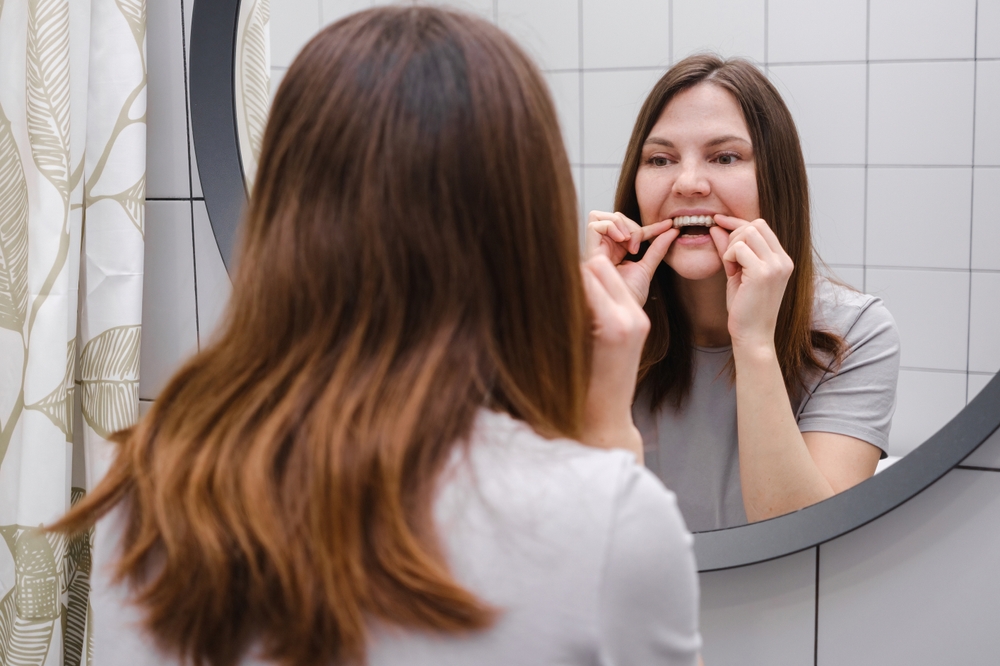
The number of natural teeth you have left is the single biggest factor in deciding which type of denture is right for you. If you still have several healthy teeth remaining, a partial denture is typically the appropriate choice. It fills in the gaps caused by missing teeth while keeping your natural teeth intact, and those remaining teeth actually work in your favor, providing anchor points that help hold the partial denture securely in place.
When there are no natural teeth left, or when the remaining ones are too damaged or unhealthy to save, a full denture becomes the solution. Full dentures replace an entire arch of teeth and rest directly on the gum line without any natural teeth to attach to. This distinction matters because the two types of dentures are built, fitted, and worn differently, and choosing the wrong one for your situation can affect both comfort and long-term oral health.
How We Address Different Levels of Tooth Loss
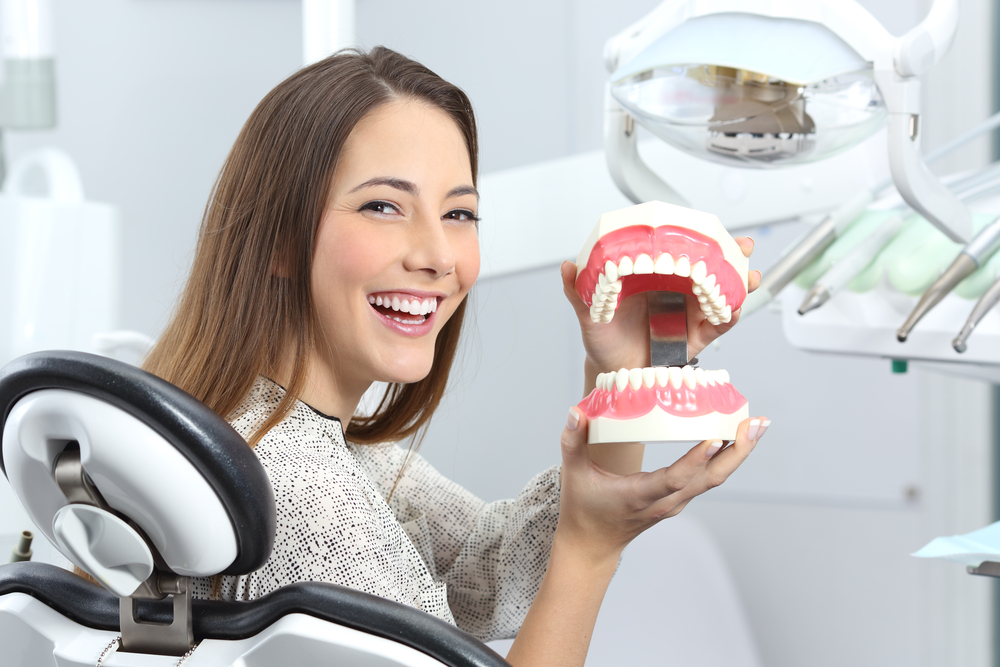
Whether you need to replace a few teeth or a full arch, our team offers custom denture solutions built around your needs. Here is a closer look at what we provide.
How We Build and Place Your Custom Dentures
Assessing Your Teeth, Gums, and Bone Structure
Before any denture work begins, we take a thorough look at the current state of your mouth. Dr. Faranak Khasraghi, DDS, DMD examines your gum tissue, remaining teeth, and the underlying bone structure to understand what your mouth can support. This evaluation also helps us identify any issues, such as gum disease or bone loss, that need to be addressed before dentures are placed.
Choosing Between Partial and Full Dentures
Once we have a clear picture of your oral health, we determine which type of denture is the right fit for your situation. If you still have healthy natural teeth remaining, a partial denture is typically the better option since it preserves those teeth and uses them for added stability. If no viable teeth remain, full dentures are recommended, and we walk you through the specific design options available to you.
Impressions, Try-Ins, and Final Placement
Precise impressions of your mouth are taken to serve as the foundation for fabricating your custom dentures. Before the final version is completed, you’ll come in for a try-in appointment where you can assess the fit, bite, and appearance of your dentures and share any feedback. Dr. Khasraghi makes any necessary refinements at this stage so that your final dentures are as accurate and comfortable as possible before placement.
Cleaning, Storing, and Maintaining Your Dentures
Proper care at home plays a big role in how long your dentures last and how comfortable they remain. We walk you through how to brush your dentures daily with a soft-bristled brush, rinse them after meals, and soak them overnight in water or a denture solution to prevent them from drying out. Following these steps consistently protects the shape, fit, and appearance of your dentures over time.
Monitoring Fit and Comfort Over Time
Your mouth naturally changes shape as time passes, and those changes can affect how well your dentures fit. We schedule follow-up visits to check for any shifts in fit, bite alignment, or comfort, and to make adjustments before minor issues become bigger problems. If you notice soreness, slipping, or difficulty chewing between visits, we encourage you to reach out so we can address it promptly.
Why Choose Our Approach to Partial and Full Dentures
Getting dentures placed is not the end of the process. It is the beginning of an ongoing relationship between you and your dental team. Your mouth changes over time, and those changes directly affect how your dentures fit and feel. At County Center Dental Group, we stay actively involved in your denture care long after your final fitting, monitoring how your gums and bone structure shift and making adjustments before small fit issues turn into daily discomfort.
What that looks like in practice is a team that checks in, follows up, and takes your concerns seriously at every stage. Dr. Faranak Khasraghi, DDS, DMD takes the time to assess not just how your dentures fit today, but how they are likely to perform months and years from now. We also make sure you leave every appointment with a clear understanding of how to care for your dentures at home, because what you do between visits matters just as much as what happens in the chair. That kind of consistent, attentive care is what keeps your dentures working well and keeps you coming back with confidence rather than frustration.


Choose Our Partial and Full Dentures, Backed by Ongoing Support!
The longer missing teeth go unaddressed, the more your jawbone, surrounding teeth, and bite alignment are affected, and the more complex treatment can become. Partial and full dentures offer a reliable, accessible way to stop that progression and restore your mouth to full function before further damage sets in.
County Center Dental Group and Dr. Faranak Khasraghi, DDS, DMD are here to make that process straightforward, comfortable, and tailored specifically to you. Find us on Facebook to see what our patients have to say, or ring us at 703.670.4888 to get your consultation scheduled today.
FAQs
How much are partial dentures?
Partial dentures typically range from $300 to $5,000 per arch, depending on the materials used, the number of missing teeth, and whether precision attachments or metal clasps are chosen. Insurance coverage can also affect your out-of-pocket cost significantly. During your consultation, we’ll provide a clear breakdown of what your treatment will involve and what to expect financially so there are no surprises.
Can you eat with a partial denture?
Yes, eating with a partial denture is entirely possible, though it takes some adjustment in the beginning. Starting with softer foods and gradually reintroducing other textures helps your mouth adapt to the appliance. Most patients find that with time and practice, they can enjoy a varied diet, though very hard, sticky, or crunchy foods are generally best avoided to protect the denture long term.
How to adjust partial dentures at home?
Adjusting partial dentures at home is not recommended, as doing so can damage the appliance or cause injury to your gums and surrounding teeth. If your partial denture feels loose, tight, or uncomfortable, the right step is to contact your dentist for a professional adjustment. Some soreness during the first few weeks is normal, but persistent pain or fit issues should always be evaluated in the office.
How much are full dentures?
Full dentures generally range from $1,000 to $8,000 per arch, with costs varying based on the type, whether conventional, immediate, or implant-supported, and the level of customization involved. Premium materials and more complex cases will naturally fall on the higher end of that range. We walk every patient through their options and associated costs during the consultation so you can make a confident, informed decision.
How often should full dentures be replaced?
Full dentures typically last between five and ten years, though this depends on how well they are maintained and how much the jawbone and gum tissue change over time. As the mouth naturally shifts, dentures that once fit well can become loose or uncomfortable. Regular dental check-ups allow your dentist to monitor fit and advise you on when a reline, rebase, or full replacement is the right next step.
How to choose between partial and full dentures?
The number of natural teeth you have remaining is the primary factor in determining which type of denture is appropriate for your situation. Partial dentures are used when healthy teeth still exist, as those teeth provide stability and help anchor the appliance. Full dentures are recommended when no viable natural teeth remain. Your dentist will evaluate your oral health and guide you toward the option that best supports your long-term function and comfort.