

Too many teeth have been lost to time, damage, or disease and for many patients, the solution has always felt like a compromise. Dr. Faranak Khasraghi, DDS, DMD, known to her patients as Dr. K, is changing that at County Center Dental Group with implant-supported fixed dentures (All-on-4), a treatment that gives you a full arch of permanent, secure teeth anchored directly into your jawbone. With over 20 years of experience and recognition as America’s Top Dentist, Dr. K delivers this advanced restoration with the precision and personalized care your smile deserves.
Implant-Supported Fixed Dentures (All-on-4)

What Changes When Your Teeth Are Anchored, Not Removable
The difference between removable dentures and implant-supported fixed dentures goes beyond convenience. It changes how you eat, speak, and carry yourself every day. Removable dentures sit on top of your gums, which means they shift, require adhesives, and limit what you can comfortably eat. When your teeth are anchored directly into the jawbone through four strategically placed implants, that instability disappears entirely. You bite down with confidence, speak without adjusting, and stop planning your meals around what your dentures can handle.
Being anchored also means your jawbone stays engaged. Removable dentures do nothing to prevent the bone resorption that follows tooth loss, which is why long-term denture wearers often develop a sunken facial appearance over time. Implant-supported fixed dentures transmit chewing forces directly into the bone, signaling it to maintain density the same way natural tooth roots do. That biological connection is what makes All-on-4 a restoration and not just a replacement, because it addresses the underlying consequences of tooth loss, not just the visible ones.
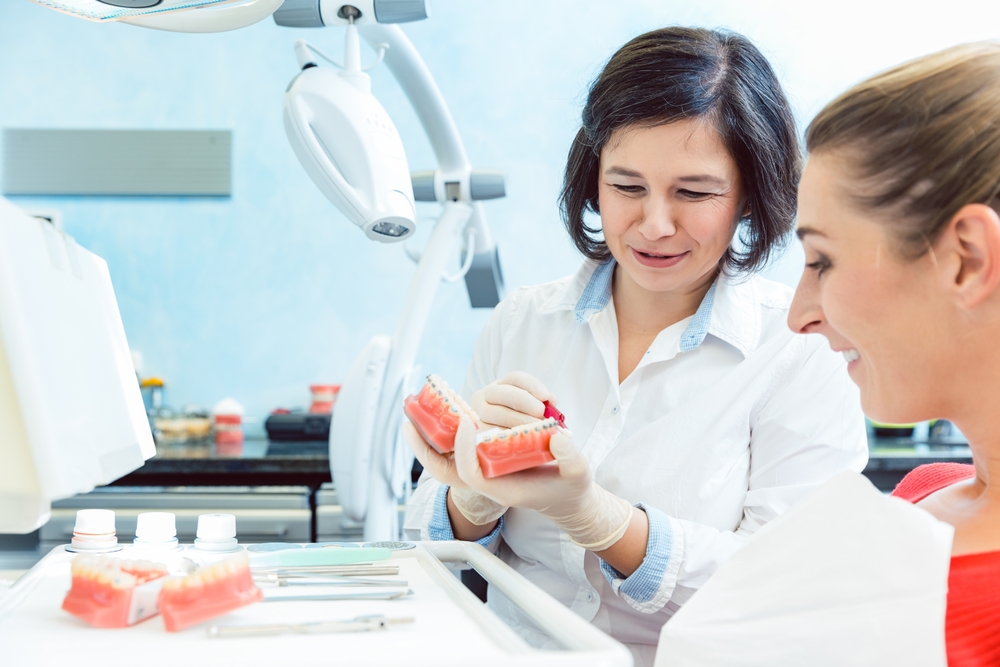
Benefits of Implant-Supported Fixed Dentures (All-on-4)
All-on-4 gives you a full arch of teeth that stays in place. It helps you speak and eat with confidence, can often be done in a single surgery, and is built to last for years with good care.
What Waiting on Full-Arch Tooth Replacement Can Mean for You
Missing or worn teeth tend to change over time. Removable dentures rest on your gums and do not stop the bone loss that follows tooth loss. Knowing how waiting can affect your budget, your health, and your comfort can help you choose the timing that feels right for you.
The Financial Risk of Waiting on Treatment
As the bone in your jaw thins over time, you may need a bone graft before implants can be placed, which can add time and cost to treatment. Removable dentures also need to be adjusted or remade as your gums change. Planning ahead can make All-on-4 easier to budget for. County Center Dental Group accepts most PPO plans and offers financing through Cherry and CareCredit, and you receive a detailed cost breakdown for your treatment plan during your consultation.
The Health Risk of Living With Missing Teeth
Without tooth roots to keep it active, your jawbone slowly thins, which can change the shape of your face over time. Loose dentures can also make some of your favorite foods harder to enjoy. Surgery can feel like a big step, so the process starts with a full health review. Before recommending All-on-4, Dr. Khasraghi reviews your medical and dental history, examines your gums and remaining teeth, and uses 3D imaging to check your bone.
The Safety Risk of Leaving Damaged Teeth Untreated
Badly damaged teeth can become infected over time, and an infection is easier to treat when it is found early. Waiting can also make it more likely that you will need an unplanned visit for tooth pain. Implant surgery is done under local anesthesia, with sedation available if you feel nervous. Each implant’s position is planned before surgery, and scheduled check-ins during healing let the team keep an eye on how you are doing.
Why Choose Us
All-on-4 is not a routine dental procedure. It requires precise surgical planning, a thorough understanding of jaw anatomy, and the ability to anticipate how bone structure, implant angulation, and prosthetic design interact over time. The provider you choose has a direct impact on whether your restoration heals correctly and holds up long term.
Dr. Faranak Khasraghi’s dual-degree background, a DDS from Shiraz University and a DMD from the University of Pennsylvania, combined with advanced training through the Dawson Academy in full-mouth rehabilitation, gives her a clinical foundation that translates specifically to complex implant cases. Recognized as America’s Top Dentist and a Top Dentist by Northern Virginia Magazine, Dr. K brings that same standard of precision and accountability to every All-on-4 case at County Center Dental Group.
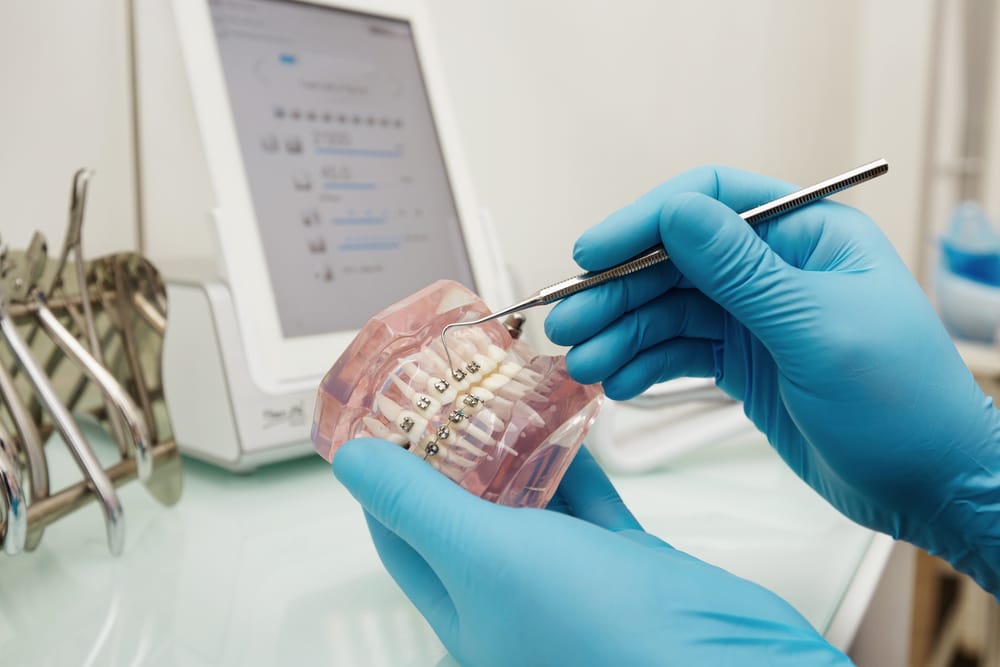

The Right Provider Makes All the Difference in All-on-4 Outcomes
Too many people put off full-arch restoration because they don’t know where to start or what to expect. Dr. Faranak Khasraghi built her practice around making that first step as straightforward as possible. No pressure, no guesswork, just honest answers and a clear picture of your options. Schedule your All-on-4 consultation at County Center Dental Group and walk away knowing exactly what your treatment would look like.
Follow County Center Dental Group on Facebook to see real patient results and get a feel for the care Dr. K delivers every day. Prefer a more direct conversation? Our phone line at 703.670.4888 is open. Pick up and let’s figure out your next step together.
FAQs
How much do fixed dentures cost?
The cost of implant-supported fixed dentures varies based on the number of arches being treated, any preparatory procedures needed, and the materials used for your prosthesis. On average, a full arch can range from $15,000 to $30,000 or more, though many practices offer financing options to make treatment more manageable. During your consultation, you’ll receive a detailed breakdown specific to your treatment plan.
Can anyone get fixed dentures?
Most adults who have lost teeth or are facing full tooth loss are potential candidates for implant-supported fixed dentures. However, adequate bone density, good overall health, and controlled systemic conditions like diabetes are important factors in determining eligibility. Patients who smoke or have certain medical conditions may need additional evaluation, and preparatory procedures like bone grafting can sometimes expand candidacy.
What is the difference between fixed and removable implant dentures?
Fixed implant dentures are permanently attached to implants and cannot be removed by the patient, while removable implant dentures snap onto implants but can be taken out for cleaning. Fixed options generally provide greater stability, a more natural feel, and stronger chewing force. Removable implant dentures tend to be less expensive upfront but require more maintenance and don’t offer the same level of permanence.
How to clean fixed dentures?
Cleaning fixed dentures involves daily brushing with a soft-bristled toothbrush and non-abrasive toothpaste, along with the use of interdental brushes or a water flosser to clean around and beneath the prosthesis. Since the denture is permanently attached, you’ll focus on clearing plaque from the gumline and the spaces between the arch and soft tissue. Professional cleanings at your dental office are also essential to keep the implants and surrounding tissue healthy.
Are fixed dentures the same as implants?
Fixed dentures and implants are related but not the same thing. Dental implants are the titanium posts surgically placed into the jawbone, while fixed dentures refer to the prosthetic arch of teeth supported by those implants. Think of the implants as the foundation and the fixed denture as the visible structure. Both components work together to create a complete, functional restoration.