

Healthy smiles start young, and County Center Dental Group is where families turn for pediatric dentistry that sets their children up for a lifetime of good oral health. Dr. Faranak Khasraghi understands that kids experience the dental chair differently than adults do, and she brings the patience, skill, and warmth it takes to make every visit feel manageable and even enjoyable. With a genuine commitment to patient education, Dr. K focuses not just on treating teeth, but on helping families feel confident about their child’s dental health every step of the way.
Pediatric Dentistry
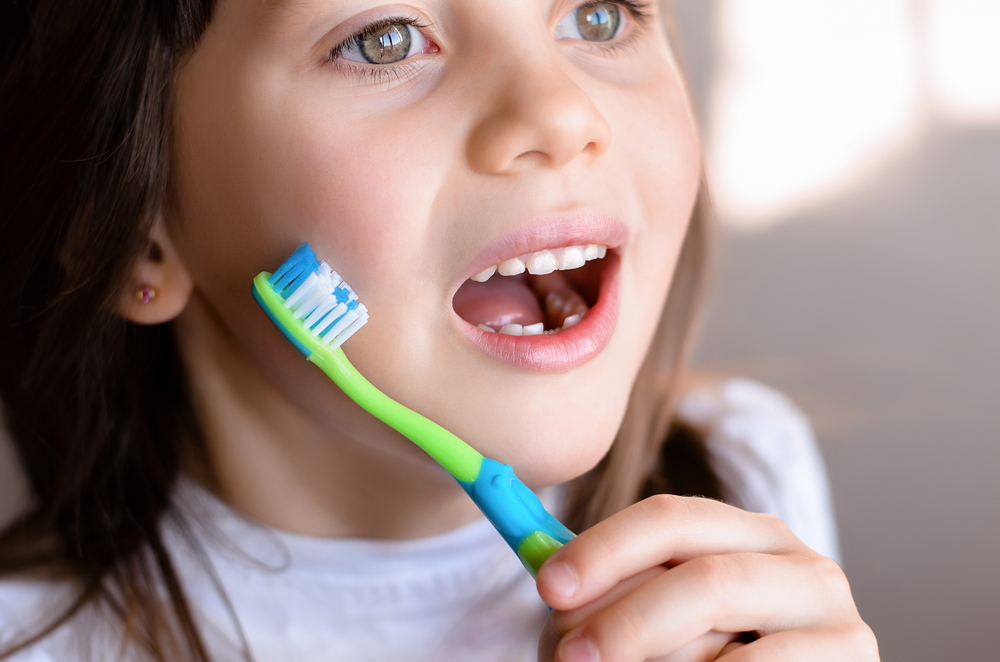
What Your Child’s Teeth Go Through as They Grow
A child’s mouth is constantly changing. From the moment their first baby tooth breaks through to the years when permanent teeth settle into place, there is a lot happening beneath the surface, and each stage comes with its own set of needs and vulnerabilities. Baby teeth guide the jaw’s development, hold space for permanent teeth, and support how your child learns to speak and chew. Losing them too early or too late can throw off the entire sequence of how permanent teeth come in.
As children grow, so do the risks. Tooth decay is the most common chronic childhood illness, and it progresses faster in primary teeth than in adult teeth. Bite problems, crowding, and gum issues can also emerge quietly during these years, often without obvious symptoms until they have had time to develop. Pediatric dentistry exists specifically to monitor these changes at every stage, catch problems while they are still small, and support healthy development through each transition your child’s mouth goes through.

Benefits of Pediatric Dentistry
A child’s mouth changes fast, and pediatric dentistry is built around that. The sections below cover five ways regular care supports your child through every stage of that growth.
Risks of Delaying Pediatric Dental Care
A small dental issue in a child’s mouth does not stay small for long, since baby teeth and jaws are still developing. The benefits above depend on catching concerns while treatment is still simple. The sections below cover what waiting can cost you and how County Center Dental Group addresses each concern.
Financial Risk of Waiting on Treatment
A small cavity in a baby tooth treated early is a simple, low-cost fix, but the same cavity left untreated can spread and require more involved care. Acting sooner keeps your child’s treatment simpler and more affordable. County Center Dental Group accepts most PPO plans and offers financing through Cherry and CareCredit to help make care manageable.
Health Risk of Delaying Care
Untreated decay in a baby tooth can spread to the surrounding teeth and, in some cases, affect the permanent tooth developing beneath it. Waiting also means smaller concerns, like a bite or spacing issue, have more time to become bigger ones. County Center Dental Group monitors your child’s dental development at each visit, so changes are caught while they are still easy to address.
Safety Risk of an Untreated Dental Issue
A cavity or infection in a child’s tooth that goes untreated can become painful and, in some cases, may need more urgent treatment to resolve. Waiting longer also raises the chance that a baby tooth is lost before it is supposed to fall out on its own. County Center Dental Group schedules regular follow-up visits so your child’s teeth and gums are checked well before small issues turn into bigger ones.
Why Choose Us Our Approach to Pediatric Dentistry
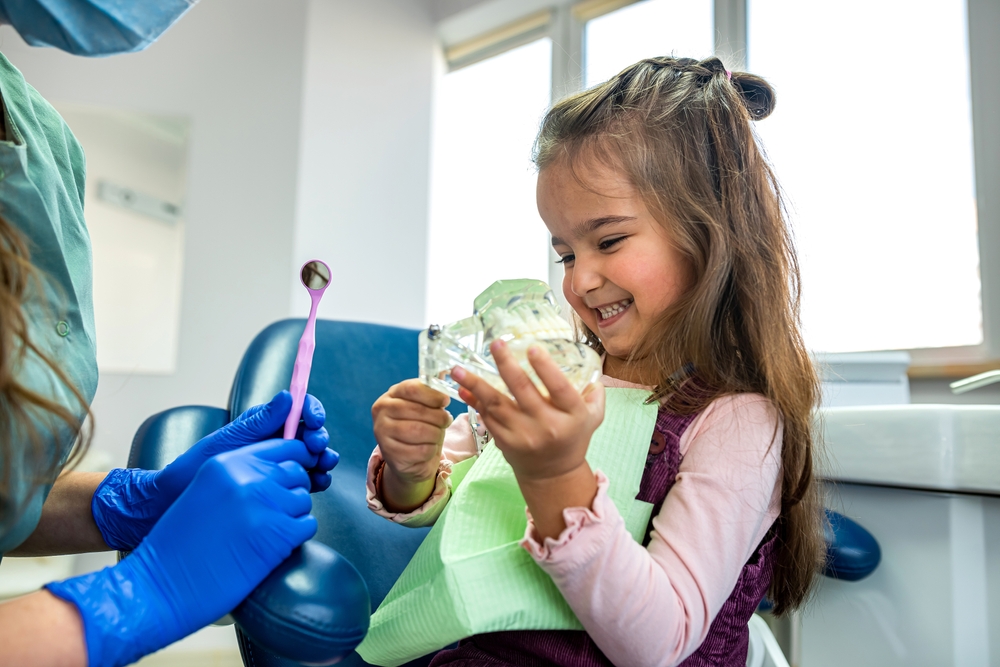
For a lot of kids, sitting in a dental chair feels unfamiliar and uncertain. Dr. K understands that, and she approaches every young patient with the kind of calm, unhurried attention that makes a real difference in how a child experiences their visit. She takes time to explain what she is doing in words that make sense to a child, checks in throughout the appointment, and never rushes past a moment of hesitation. The result is a child who leaves the office feeling okay about what just happened and willing to come back.
That trust does not happen by accident. It is built deliberately, visit after visit, through consistency, honesty, and a team that genuinely enjoys working with kids. Parents often notice the shift after just a few appointments, as their child stops dreading the dentist and starts feeling comfortable, even familiar, with the routine. At County Center Dental Group, that shift is the goal. When a child feels safe in the chair, they are more likely to communicate openly, cooperate with treatment, and carry a positive attitude toward their oral health well beyond childhood.

Start Your Child Off With Our Pediatric Dentistry Done Right!
Choosing our pediatric dentistry for your child is one of those decisions that matters more than it might seem at the moment, and it deserves more than just picking the closest office. Dr. Faranak Khasraghi and the team at County Center Dental Group bring the clinical skill, the patience, and the genuine care that makes a difference in how your child experiences dentistry now and how they feel about it for years to come. Appointments can be scheduled directly at 703.670.4888, or visit us on Facebook for oral health tips, practice updates, and a closer look at the team your child will be seeing.
FAQs
How to improve child dental health?
Improving your child’s dental health starts with consistent daily habits. Brush their teeth twice a day using a soft-bristled toothbrush and fluoride toothpaste, and floss once a day as soon as two teeth touch. Limit sugary snacks and drinks, encourage water over juice or soda, and bring them in for regular professional cleanings and checkups. Small, consistent steps make a significant difference over time.
How to prepare your child for a dental visit?
Talking about the dentist in a calm, matter-of-fact way well before the appointment helps set a positive tone. Avoid using words like “pain,” “shot,” or “drill,” which can create unnecessary worry. Reading children’s books about dental visits, doing a pretend checkup at home, and letting your child know what to expect, including a friendly dentist who will count their teeth and make sure they are healthy, can all help ease any nervousness.
What happens during a child's dental exam?
During a pediatric dental exam, the dentist will visually inspect your child’s teeth, gums, and bite for any signs of decay, alignment issues, or developmental concerns. X-rays may be taken depending on your child’s age and dental history, and a dental hygienist will typically clean the teeth and apply fluoride. The appointment also includes time for the dentist to answer your questions and discuss any recommended next steps.
Are dental sealants safe for my child?
Dental sealants are considered safe and are widely recommended by pediatric dental and public health organizations. They are thin, protective coatings applied to the chewing surfaces of the back teeth, where decay most commonly develops in children. The material used is BPA-free in most formulations, and the application process is quick, painless, and non-invasive. Sealants can significantly reduce the risk of cavities in the molars.
When should a child have their first dental visit?
The American Academy of Pediatric Dentistry recommends that a child’s first dental visit happen within six months of their first tooth appearing, or no later than their first birthday, whichever comes first. Starting early allows the dentist to monitor development from the beginning, provide guidance on teething and oral hygiene, and help your child build a comfortable familiarity with the dental setting before more involved care is ever needed.