

If your dentist has recently recommended our gum surgery and gum grafting services, you probably have questions and maybe a few concerns. That’s completely understandable, and you’re not alone. Dr. Faranak Khasraghi, DDS, DMD, and the team at County Center Dental Group specialize in helping patients navigate gum health treatment with confidence and clarity. We take the time to explain your diagnosis, walk you through your options, and make sure you feel supported before, during, and after your procedure.
Gum Surgery and Gum Grafting

At What Point Gum Disease Becomes a Surgical Problem
Not every case of gum disease requires surgery. In the early stages, a deep cleaning procedure called scaling and root planing is often enough to control bacterial buildup and stop the disease from progressing. But when gum disease reaches a more advanced stage, when pockets between the gum and tooth become too deep to clean, when bone has started to deteriorate, or when the gum tissue has pulled away significantly from the tooth root, non-surgical options are no longer sufficient to address the damage.
At that point, surgery becomes necessary to access areas that instruments simply can’t reach during a standard cleaning. Gum grafting enters the picture when recession has already occurred and tissue loss needs to be physically replaced, not just managed. The distinction matters: surgery isn’t a last resort. It’s the appropriate level of care for a problem that has moved beyond what conservative treatment can fix. Left unaddressed, advanced gum disease continues to break down the structures that keep your teeth stable, making early intervention far less complicated than waiting.
Benefits of Gum Surgery and Gum Grafting
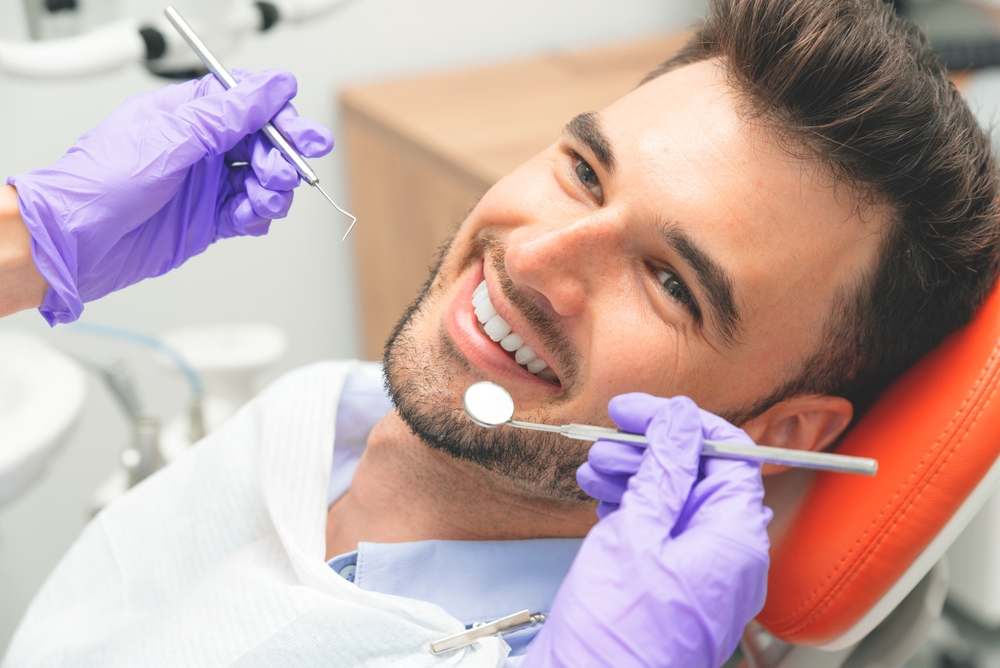
Gum disease and gum recession do not resolve on their own, and waiting rarely makes treatment simpler. Gum surgery and gum grafting stop active disease, protect the teeth and bone your gums support, relieve sensitivity, and restore a healthier looking gumline. The panels below walk through how someone might benefit from addressing these issues directly.
The Risks of Delaying Gum Treatment
Questions about gum surgery or gum grafting are normal, and you are not alone in having them. Waiting carries its own risks to your finances, your health, and your safety, and treatment raises fair questions of its own. Here is what each one looks like and how we help you handle it.
Financial Risk of Delaying Gum Surgery
Gum disease that goes untreated usually needs more involved care over time, and more involved care usually costs more. You will know what your treatment involves before you commit to anything, because we walk you through the plan in plain language. At your consultation, we also review your situation and help you understand your coverage and payment options. County Center Dental Group accepts most PPO plans and offers monthly payments through Cherry and CareCredit.
Health Risk of Waiting on Gum Treatment
Gum disease keeps breaking down the bone and tissue that hold your teeth in place, so waiting can make treatment more involved. We prioritize your comfort: local anesthesia ensures you do not feel pain during treatment, and sedation options are available if dental anxiety makes you nervous. Afterward, most patients find that discomfort is manageable with over-the-counter pain relief, and swelling typically subsides within the first week. You also receive detailed aftercare instructions covering what to eat, how to keep the area clean, and which activities to limit.
Safety Risk of Leaving Gum Disease Untreated
Waiting can let weakened gums and bone put your teeth at risk of loosening, which is generally harder to manage than a problem caught early. Your first visit includes measuring pocket depths, reviewing your dental and medical history, and using imaging to check bone levels where needed. Dr. Khasraghi uses that information to build a plan specific to your needs, so each recommendation is based on what is happening in your mouth. We stay involved after the procedure too, with follow-up visits to confirm your gums are healing as planned.
Why Choose Our Approach to Gum Surgery & Gum Grafting
Gum disease doesn’t stay contained to your gums. When left untreated or inadequately managed, it affects bone density, destabilizes teeth, and has been linked to broader health concerns including cardiovascular disease and diabetes complications. That connection is something we take seriously at every stage of your care. Dr. Faranak Khasraghi, DDS, DMD, evaluates your gum condition not in isolation but as part of your overall oral health, because treating the gums effectively means understanding what’s at stake beyond them.
What that looks like in practice is a treatment approach that accounts for both the immediate problem and its long-term implications. We don’t simply perform the procedure and send you home. We look at how your gum health interacts with your bite, your bone structure, and the longevity of your existing teeth, then build a care plan that addresses all of it. Patients who come to County Center Dental Group for gum surgery or grafting leave with healthier gums and a clearer picture of how to maintain their results over time. That kind of comprehensive, connected care is what makes the difference between a procedure and a lasting outcome.


Schedule Our Gum Surgery and Gum Grafting Consultation
Receding gums and advanced gum disease don’t improve on their own, but with our gum surgery and gum grafting care, they don’t have to keep getting worse. Led by Dr. Faranak Khasraghi, DDS, DMD, at County Center Dental Group, our team is ready to evaluate your gum health, explain your options honestly, and put together a treatment plan built around your specific situation. Booking your consultation is straightforward: dial 703.670.4888 to pick a time that works for you.
Stay connected with us on Facebook for patient education, practice updates, and tips on maintaining healthy gums between visits. Your next step toward stronger, healthier gums starts with a single appointment, and we’ll take it from there.
FAQs
What is gum graft surgery?
Gum graft surgery is a procedure that replaces or reinforces gum tissue that has receded away from the teeth, exposing sensitive tooth roots. Tissue is typically sourced from the roof of your mouth or a processed donor material, then carefully placed and secured at the graft site. The procedure helps reduce tooth sensitivity, protect against decay, and restore a more natural-looking gumline.
How long do stitches stay in after gum graft surgery?
Sutures placed after gum graft surgery typically remain in place for one to two weeks, depending on the type of stitches used and how quickly your tissue heals. Some stitches are dissolvable and will break down on their own, while others may need to be removed at a follow-up appointment. Your care team will let you know exactly what to expect based on your specific procedure.
Does gum graft surgery hurt?
During the procedure, local anesthesia keeps you comfortable so you shouldn’t feel pain while the surgery is being performed. After the numbness wears off, it’s normal to experience some soreness and tenderness in the treated area for several days. Most patients manage post-operative discomfort effectively with over-the-counter pain relievers and by following their aftercare instructions closely.
How long does gum graft surgery take?
The length of a gum grafting procedure depends on how many teeth are being treated and the complexity of the case. In general, a single graft site may take about one to two hours to complete, while multiple sites may require a longer appointment. Your dentist will give you a more accurate time estimate once your treatment plan has been finalized.
How much does gum graft surgery cost?
The cost of gum graft surgery varies based on factors like the number of teeth involved, the type of graft used, and your location. Some dental insurance plans cover a portion of the cost when the procedure is deemed medically necessary due to gum disease or recession. We recommend scheduling a consultation so we can review your specific situation and help you understand your coverage and payment options.
What to eat after gum surgery?
After gum surgery or grafting, soft foods are your best option during the initial healing period. Good choices include yogurt, mashed potatoes, scrambled eggs, smoothies, and soft cooked vegetables that require minimal chewing. Avoid hard, crunchy, spicy, or extremely hot foods for at least the first week or two, as these can irritate the surgical site and slow the healing process.