

Tooth extractions and bone grafting are procedures that require both precision and a personal touch, and that’s exactly what you’ll find at County Center Dental Group. Dr. Faranak Khasraghi, DDS, DMD understands that no one looks forward to having a tooth removed or undergoing oral surgery, which is why every patient receives honest answers, attentive care, and a treatment approach built around their specific needs. You won’t be rushed through decisions or left wondering what comes next. Our goal is to protect your oral health today while setting you up for a stronger, healthier smile down the road.
Extractions & Bone Grafting
Why Timing Matters With Extractions & Bone Grafting
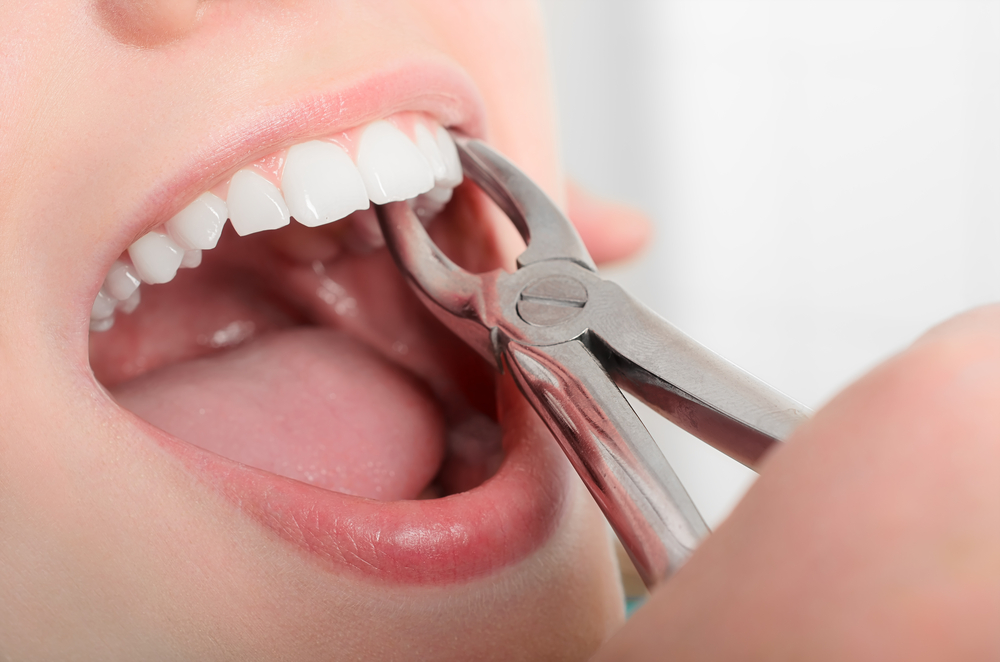
Delaying a necessary tooth extraction rarely makes the situation better. It usually makes it worse. When a tooth is severely decayed, fractured, or compromised by infection, leaving it in place allows bacteria to spread to surrounding teeth and into the supporting bone. The longer that process continues, the more damage it causes, and the more complex your treatment becomes.
Bone grafting is just as time-sensitive. Once a tooth is removed, the jawbone beneath it begins to shrink, a process called resorption, and that starts within just a few weeks. Placing a bone graft at the time of extraction, or shortly after, helps preserve the bone volume needed for a dental implant or other restorative work. Waiting too long can mean additional procedures to rebuild what has been lost. Acting promptly gives your body the best conditions to heal and gives you the most options for restoring your smile.
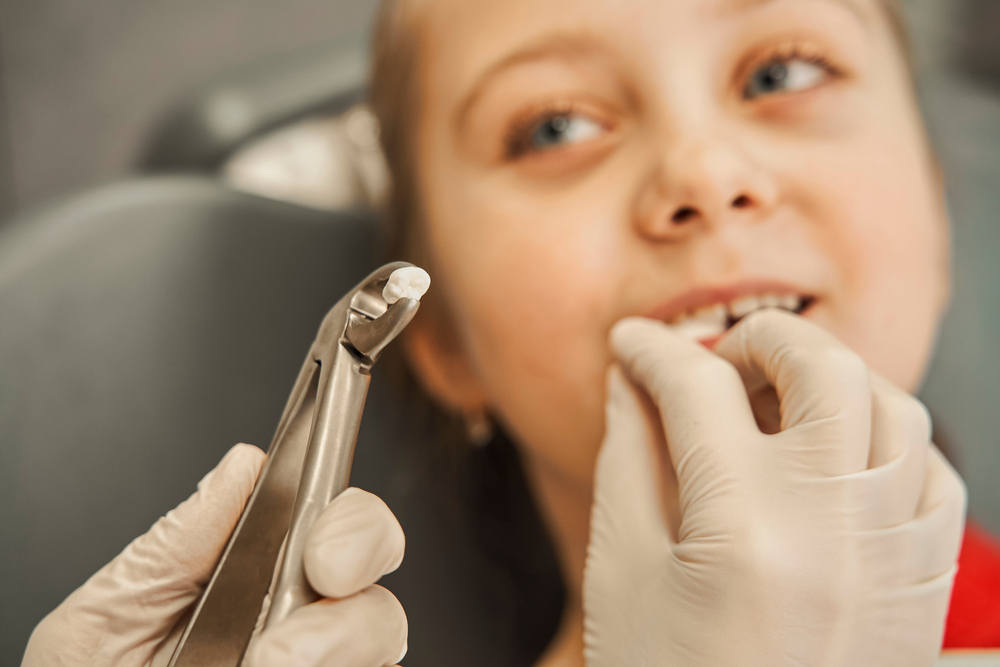
Oral Surgical Services Our Team Performs
Extractions and bone grafting work together to protect your smile, both now and later. The sections below cover what each procedure does and why it matters for your long-term oral health.
Risks of Delaying Extraction & Bone Grafting Treatment
A tooth that needs to come out, or a jawbone that needs support, does not improve by waiting. The benefits above depend on acting before the situation gets more complicated. The sections below cover what delaying treatment can cost you and how County Center Dental Group addresses each concern.
Financial Risk of Waiting on Treatment
A tooth that needs a simple extraction now can require a more involved surgical extraction later if the damage spreads. Waiting to place a bone graft can also mean needing a larger graft to rebuild bone that has already been lost. County Center Dental Group accepts most PPO plans and offers financing through Cherry and CareCredit to help manage the cost of treatment.
Health Risk of Delaying Care
An infected or severely damaged tooth left in place can allow bacteria to spread to the surrounding teeth and bone. Waiting to place a bone graft after an extraction also gives the jawbone more time to shrink, which can limit your options for future restorative work. County Center Dental Group evaluates your teeth and jawbone with digital X-rays at your first visit, so treatment can begin before the situation becomes more complex.
Safety Risk of an Unaddressed Tooth or Bone Loss
A tooth causing pain or infection can make eating and daily function more difficult the longer it goes untreated. Reduced jawbone volume over time can also affect the fit and stability of a denture or other restoration down the line. County Center Dental Group schedules a follow-up visit after your procedure to confirm healing is on track before moving to the next stage of care.
Why Choose Our Approach to Extractions & Bone Grafting
Oral surgical procedures like extractions and bone grafting require a provider who is technically skilled and genuinely attentive to how patients feel throughout the process. Dr. Faranak Khasraghi, DDS, DMD approaches every case with a detailed eye and a calm, communicative manner, so you’re never left guessing about what’s happening or what comes next. Patients who come in anxious often leave feeling they had far more control over their care than they expected.
What sets our care apart is the continuity we provide. We don’t just perform the procedure and send you on your way. We stay involved through your recovery, monitor your healing at follow-up visits, and help you plan the next phase of your dental care when you’re ready. Every recommendation we make is based on your specific oral health picture, not a one-size-fits-all approach. That level of ongoing attention makes a real difference in both your results and your overall experience.


Choose Our Extractions & Bone Grafting to Protect Your Smile for Tomorrow
A tooth that’s been bothering you, or a jawbone that’s been quietly deteriorating, deserves more than a wait-and-see approach. Dr. Faranak Khasraghi, DDS, DMD and the team at County Center Dental Group provide extractions & bone grafting to assess your situation accurately, explain your options clearly, and move forward with treatment that protects your oral health for the long term. The sooner you act, the more options you have.
New patients are always welcome, and getting started takes less effort than you might think. Contact us at 703.670.4888 to select an appointment time that suits your schedule and we’ll take it from there. You can also browse our Facebook page ahead of your visit to get a sense of our team, our approach, and the work we do every day.
FAQs
What to eat after tooth extraction?
After a tooth extraction, stick to soft, cool, or lukewarm foods for the first few days. Think yogurt, mashed potatoes, scrambled eggs, smoothies, and applesauce. Avoid hard, crunchy, or chewy foods that could disturb the clot forming in the socket, and stay away from hot liquids immediately after the procedure. As your mouth heals over the following week, you can gradually reintroduce more solid foods based on your comfort level.
How much is a tooth extraction?
The cost of a tooth extraction depends on several factors, including whether the procedure is a simple or surgical extraction, your location, and your dental insurance coverage. Simple extractions tend to be less expensive than surgical ones, and many insurance plans cover a portion of the cost. We recommend scheduling a consultation so we can review your specific situation, provide a clear cost estimate, and help you understand your payment and coverage options.
Can I drink alcohol 24 hours after tooth extraction?
It’s strongly advised to avoid alcohol for at least 24 to 48 hours after a tooth extraction, and ideally longer. Alcohol can interfere with blood clot formation at the extraction site, increasing your risk of a painful condition called dry socket. It can also interact with any pain medications you’ve been prescribed, so waiting until you’ve fully recovered and are no longer taking medication is the safest approach.
What is a dental bone graft?
A dental bone graft is a surgical procedure that places bone material into an area of the jaw where bone has been lost or removed. The graft material acts as a scaffold that your body uses to grow new, healthy bone over time. This procedure is commonly performed after a tooth extraction to prevent jawbone shrinkage and to prepare the site for a dental implant or other restorative treatment.
How to speed up bone graft healing?
The best way to support bone graft healing is to closely follow your post-operative instructions, eat soft foods, avoid smoking, and keep the area clean without disturbing the site. Getting enough rest, staying well-hydrated, and eating a nutrient-rich diet can also support your body’s natural healing response. Attend all follow-up appointments so your provider can confirm that integration is progressing properly and address any concerns early.
When can I eat solid food after bone graft?
Most patients can begin transitioning back to soft solid foods within a week or two after a bone graft, depending on how well they’re healing. It’s important to avoid anything hard, sticky, or crunchy near the graft site for several weeks to avoid disrupting the healing tissue. Your provider will give you personalized guidance based on your recovery progress and let you know when it’s safe to return to your normal diet.