Snoring Appliances & Night Guards

Waking up tired after a full night’s sleep is frustrating, and for many people, the cause comes down to two very common and very treatable dental issues: snoring and teeth grinding. Dr. Faranak Khasraghi, DDS, DMD, at County Center Dental Group, takes a close look at what’s disrupting your sleep and your oral health, then builds a solution around your specific needs.

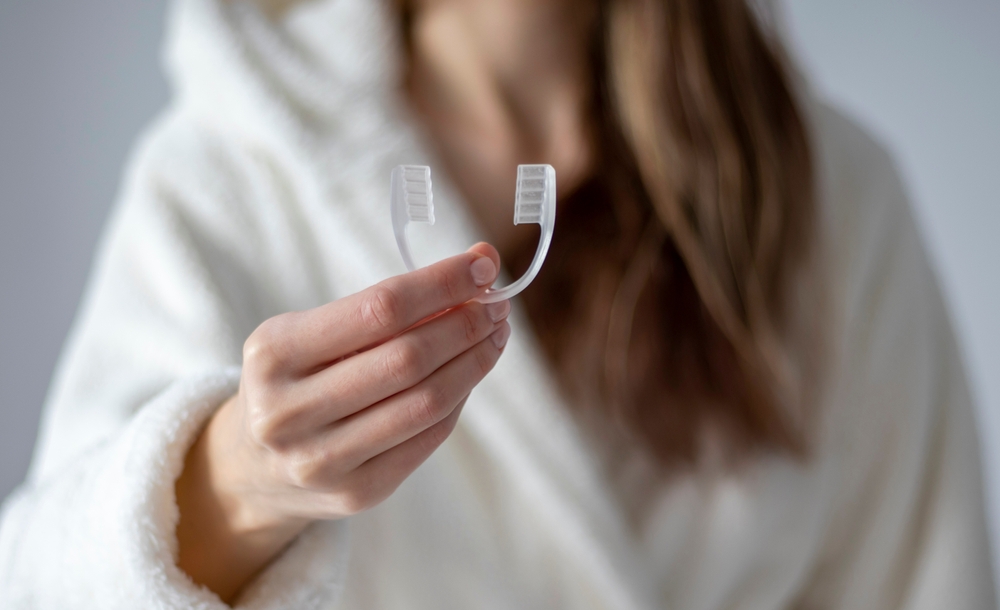
Custom-fitted snoring appliances and night guards offer a simple, non-invasive way to protect your teeth and help you finally get the rest your body needs. These aren’t one-size-fits-all devices; every appliance is crafted to match your bite, your habits, and your comfort.

Request Appointment

How Untreated Snoring and Grinding Damage Your Teeth Over Time

Snoring and teeth grinding might seem like minor annoyances, but left unaddressed, both can cause serious and lasting damage to your oral health. Snoring is often a sign that your airway is partially blocked during sleep, and when that obstruction is chronic, it puts ongoing strain on your jaw muscles and surrounding tissue. Over time, this can contribute to jaw soreness, headaches, and disrupted sleep patterns that compound into bigger health concerns.

Teeth grinding, clinically known as bruxism, is particularly destructive because it works silently while you sleep. The repeated pressure wears down enamel, the hardest substance in your body, and once it’s gone, it doesn’t grow back. Cracked teeth, increased sensitivity, flattened cusps, and damaged restorations are all common consequences of untreated grinding. The longer it goes without intervention, the more extensive and expensive the damage becomes. Snoring appliances and night guards exist specifically to stop that damage before it progresses.

Custom Oral Appliances Available at Our Practice

How We Fit Your Snoring Appliance or Night Guard

Identifying Whether You Need a Snoring Appliance or Night Guard

Not everyone who snores needs the same solution, and not every person who grinds their teeth is aware they’re doing it. Dr. Faranak Khasraghi, DDS, DMD, begins with a thorough evaluation of your teeth, jaw, and sleep-related symptoms to determine which appliance is appropriate for your situation. This first visit gives you a clear picture of what’s happening with your oral health and what a custom device can realistically do for you.

Building a Plan Around Your Specific Dental Concerns

Once the evaluation is complete, a treatment plan is put together based on your bite, the severity of your grinding or snoring, and any existing dental work that needs to be factored in. The type of appliance, whether a mandibular advancement device or an occlusal night guard, is selected based on what will be most effective and comfortable for your specific case. You’ll know exactly what to expect before any impressions or fittings are scheduled.

Fitting Your Appliance for Comfort and Precision

Accurate impressions or digital scans of your teeth are taken and sent to a dental lab where your appliance is custom-fabricated to match your bite. When your device is ready, you’ll return for a fitting where Dr. Khasraghi checks the fit carefully, makes any needed adjustments, and walks you through how to wear it correctly. Most patients are comfortable with their appliance right away, though a brief adjustment period of a few days is completely normal.

Daily Care Habits That Extend the Life of Your Appliance

A well-maintained appliance lasts significantly longer and performs better over time. Rinsing your device with cool water each morning and brushing it gently with a soft toothbrush removes buildup and keeps bacteria from accumulating. Storing it in its case when not in use, and keeping it away from heat, protects the shape and integrity of the material.

Monitoring Your Progress After Your Appliance Is Placed

Follow-up appointments allow Dr. Faranak Khasraghi to confirm that your appliance is still fitting correctly and delivering the results you need. Teeth can shift gradually, and a device that no longer fits well may lose effectiveness or cause discomfort over time. These check-ins are a straightforward way to stay ahead of any changes and keep your appliance working as it should.

Why Choose Us

A lot of dental offices offer night guards and snoring appliances; what differs is how much attention goes into fitting them properly and following through afterward. Dr. Faranak Khasraghi, DDS, DMD, treats each case individually, factoring in your bite, your habits, your dental history, and your comfort before recommending any device. Nothing is rushed, and nothing is assumed.

County Center Dental Group is the kind of practice where you leave with clear answers, not just a new appliance. The team communicates openly about what your device will and won’t do, what to watch for, and when to come back. That transparency, paired with custom fabrication and hands-on follow-up care, is what makes the difference between an appliance that sits in a drawer and one that actually improves your daily life.

Dentist Woodbridge VA

Better Sleep and Stronger Teeth Start With One Appointment!

A worn-down tooth or a partner kept awake by snoring are not small issues; they’re signs that something needs attention. Dr. Faranak Khasraghi, DDS, DMD, at County Center Dental Group specializes in custom oral appliances that address both problems with precision and care. Schedule your appointment today by reaching our phone at 703.670.4888, and for a look at our work and patient experiences, find us on Facebook!

Request Appointment

FAQs

How do snoring appliances work?

Snoring appliances work by repositioning your lower jaw or tongue slightly forward, which keeps your airway from narrowing during sleep. This prevents the tissue vibrations that create snoring sounds and helps air flow more freely throughout the night. Most people notice a significant reduction in snoring after just a few nights of consistent use.

How oral appliances help with sleep apnea?

For mild to moderate obstructive sleep apnea, oral appliances can be an effective alternative to CPAP therapy by keeping the airway open through jaw repositioning. They reduce the frequency of breathing interruptions that occur when throat muscles relax and block the airway during sleep. A dental evaluation combined with a sleep study referral will determine whether an oral appliance is the right treatment option for your specific case.

How to clean oral appliances for sleep apnea?

Rinse your oral appliance with cool water each morning and use a soft toothbrush to gently scrub away any buildup before storing it in its case. Avoid hot water, which can warp the material and affect the fit. You can also use a mild denture cleaner or appliance-specific cleaning tablets a few times per week for a deeper clean.

How to clean a night guard?

Clean your night guard each morning by rinsing it with cool water and brushing it gently with a soft toothbrush; no toothpaste needed, as abrasive ingredients can scratch the surface. Let it air dry completely before placing it in its storage case to prevent bacteria from growing in a moist environment. Occasional soaking in a non-alcoholic, non-abrasive cleaning solution helps keep it fresh and sanitary between uses.

How long do night guards last?

The lifespan of a night guard depends on the severity of your grinding habit and how well you care for the appliance, but most custom-made guards last between two and five years. Heavy grinders may wear through their device sooner, while those with lighter habits often get more use out of a single guard. Regular dental check-ins help identify when your night guard needs to be replaced before the fit or protection is compromised.

How much is a night guard from the dentist?

The cost of a custom night guard from a dental office varies depending on the type of guard, the materials used, and your specific dental needs. Professionally made guards are a longer-term investment compared to over-the-counter options, but the custom fit and durable materials make them far more comfortable and effective. Many dental insurance plans offer partial coverage for night guards when bruxism has been clinically documented, so it’s worth checking your benefits before your appointment.