Tooth-Colored Fillings & Bonding

After more than 20 years of dedicated dental practice, Dr. Faranak Khasraghi, DDS, DMD has seen firsthand how small dental imperfections can affect a person’s confidence. At County Center Dental Group, tooth-colored fillings and bonding offer a practical, natural-looking way to address chips, gaps, discoloration, and decay.

Most treatments are completed in a single visit, making this one of the most convenient options in cosmetic dentistry. Dr. K’s patient-first approach ensures you’ll feel informed and at ease before any treatment begins.

Request Appointment

Who Is a Good Candidate for Tooth-Colored Fillings & Bonding

Tooth-colored fillings and bonding work well for a wide range of patients, but they’re especially suited for those dealing with minor to moderate dental concerns. If you have a cavity that needs to be filled, a chipped or cracked tooth, slight gaps between teeth, or areas of discoloration that don’t respond to whitening, you’re likely a strong candidate. These treatments are also a good fit for anyone looking to replace old metal amalgam fillings with a more natural-looking option.

That said, tooth-colored materials do have limitations. Bonding and composite fillings perform best on teeth that aren’t under constant heavy biting force. Back molars that absorb the most pressure may be better served by other restorative options like crowns or inlays. Your overall oral health also plays a role; teeth with significant decay, gum disease, or structural damage may need to be addressed before bonding or composite fillings can be placed successfully. A thorough evaluation will confirm whether this is the right treatment for your specific situation.

Tooth-Colored Treatments Tailored to Your Needs

What to Expect at Every Step of Your Treatment

A Closer Look at Your Teeth and Goals

Your first appointment is less about jumping straight into treatment and more about understanding what’s actually going on with your teeth. Dr. Khasraghi takes time to examine the affected areas, review your dental history, and ask about any discomfort or cosmetic concerns you’ve noticed. This evaluation gives her a clear picture of whether tooth-colored fillings, bonding, or a combination of both is the most appropriate approach for your specific situation.

Choosing the Right Materials and Approach

Once the evaluation is complete, the focus shifts to deciding exactly how your treatment will be carried out. The shade of composite resin is carefully matched to your natural tooth color, and the placement technique is chosen based on the location and condition of the tooth. Dr. K walks you through every detail of the plan, what will be done, how long it will take, and what the finished result should look like, so there are no surprises on the day of your procedure.

Shaping, Bonding, and Polishing Your Tooth

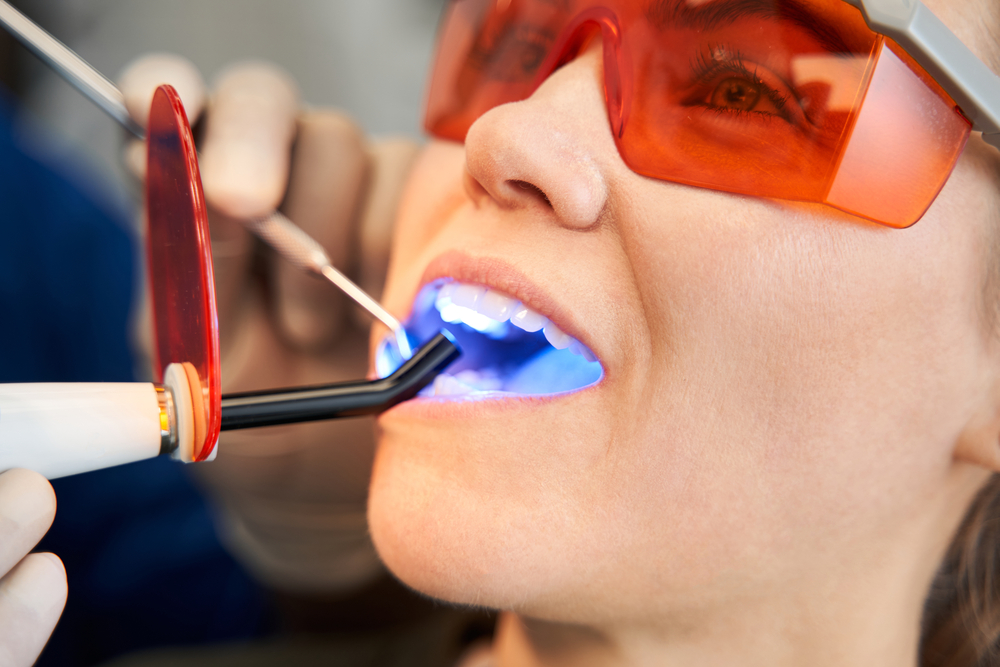
Treatment day begins with preparing the tooth surface, removing any decay, cleaning the area, and applying a mild etching agent to help the composite resin adhere properly. The resin is then layered onto the tooth, carefully shaped to match the natural contour of your surrounding teeth, and hardened with a curing light. The final step is polishing, where Dr. Khasraghi refines the surface until the sheen and texture blend seamlessly with the rest of your smile.

Day-to-Day Care for Long-Lasting Results

Composite resin is durable, but how you care for it at home makes a real difference in how long it lasts. Brushing twice daily, flossing regularly, and rinsing with a fluoride mouthwash will help keep both the restoration and the surrounding tooth in good condition. It’s also worth avoiding habits like biting your nails, chewing on pens, or eating particularly hard or sticky foods in the days immediately following your procedure.

A Quick Check That Goes a Long Way

A follow-up visit gives Dr. K the opportunity to evaluate how the filling or bonding has settled and make any minor refinements if needed. If you’ve noticed any sensitivity, an uneven bite, or anything that feels off since your procedure, this is the right time to bring it up. Catching small issues early keeps your restoration performing well and helps avoid more involved treatment down the line.

Why Choose Us

A common concern with fillings and bonding is whether the restoration will be obvious. Shade matching is more nuanced than picking a close color. It accounts for how light reflects off the tooth surface and how the material sits alongside your natural enamel. Dr. Khasraghi approaches this with the same precision she brings to every procedure, so the finished result looks like part of your tooth, not something placed on top of it.

Discomfort and durability are the other two questions patients almost always ask. Composite resin procedures are minimally invasive, and Dr. K’s advanced clinical training means treatment is efficient and precise, keeping the experience comfortable from start to finish. A well-placed restoration, properly cared for, can last many years without issue, and that starts with getting the details right the first time.

Dentist Woodbridge VA

A Small Fix Today Can Save You a Bigger Problem Tomorrow!

A chipped tooth or a cavity that doesn’t hurt yet is easy to push to the back of your mind, until it becomes something that can’t be ignored. Minor dental concerns have a way of compounding over time, and tooth-colored fillings and bonding exist precisely to address them before that happens. Most treatments are completed in a single visit, so there’s rarely a reason to keep waiting.

Follow County Center Dental Group on Facebook to see real patient results and get a feel for what Dr. Faranak Khasraghi and her team deliver every day, then decide for yourself. When you’re ready to book, scheduling an appointment is just a quick call to our front desk at 703.670.4888.

Request Appointment

FAQs

Why does my tooth filling hurt after months?

Lingering pain months after a filling usually points to a bite alignment issue, where the filling sits slightly too high and puts extra pressure on the tooth. It could also indicate that decay was close to the nerve, causing ongoing sensitivity. Either way, it’s worth having a dentist take a look, as minor adjustments can often resolve the discomfort quickly.

How much is a tooth filling?

Tooth-colored fillings generally range from $150 to $300 per tooth, though the final cost depends on the size of the cavity and your insurance coverage. Many dental plans cover composite fillings, at least partially. It’s always a good idea to confirm your benefits beforehand, as a quick call to your dental office can give you a clearer picture of out-of-pocket costs.

How long can I eat after tooth filling?

With composite resin fillings, the material is hardened chairside during your appointment, so you can eat as soon as the anesthesia wears off. For the first 24 hours, it’s best to stick to softer foods and avoid anything very hard or sticky. After that, you can return to your normal diet without any restrictions.

What is dental bonding?

Dental bonding is a cosmetic procedure where a tooth-colored composite resin is applied to the tooth surface to correct imperfections like chips, gaps, discoloration, or uneven length. The resin is shaped, hardened with a curing light, and polished to blend naturally with surrounding teeth. It’s one of the most accessible and minimally invasive options in cosmetic dentistry.

How long does dental bonding last?

Dental bonding typically lasts between five and ten years, depending on placement and how well it’s maintained. Teeth that take on heavier biting force may show wear sooner. Routine dental visits, good oral hygiene, and avoiding habits like nail-biting or chewing hard objects will help extend the life of your bonding considerably.

How much is dental bonding?

Dental bonding typically costs between $300 and $600 per tooth, making it one of the more budget-friendly cosmetic dental options available. Insurance may cover a portion when bonding is used for restorative purposes. Discussing your goals with a dentist beforehand helps ensure you get an accurate estimate and understand exactly what the treatment involves.