Root Canal Therapy

Tooth pain that lingers, throbs, or keeps you up at night deserves real attention and real answers. At County Center Dental Group, Dr. Faranak Khasraghi, DDS, DMD brings a calm, thorough approach to root canal therapy that prioritizes your comfort at every step.

Known to her patients as Dr. K, she has built a reputation for precise, compassionate care that takes the fear out of what many consider a daunting procedure. If you’ve been putting off care out of uncertainty, you’ll find that treatment is far more manageable than its reputation suggests and that acting sooner protects both your tooth and your overall health.

Request Appointment

Why Infected Teeth Rarely Heal on Their Own

A tooth infection is not like a minor cut or bruise that your body can repair over time. Once bacteria reach the inner pulp of a tooth, the soft tissue containing the nerve, blood vessels, and connective tissue, the damage is largely irreversible without professional treatment. The pulp has limited ability to fight off infection on its own, and without intervention, the bacteria continue to multiply, breaking down tissue and spreading deeper into the root canals and surrounding bone.

Waiting out the pain is one of the most common mistakes people make with tooth infections. The discomfort may temporarily ease as the nerve deteriorates, but that doesn’t mean the infection is gone. It means it has progressed. Left untreated, an infected tooth can develop into an abscess, threaten neighboring teeth, and compromise the integrity of your jawbone. Root canal therapy stops this cycle by removing the source of infection, cleaning the affected area thoroughly, and sealing the tooth so bacteria cannot re-enter. It is the most effective way to address the problem completely while keeping your natural tooth in place.

Benefits of Root Canal Therapy

A Closer Look at Our Root Canal Therapy Process

Pinpointing the Source of Your Pain

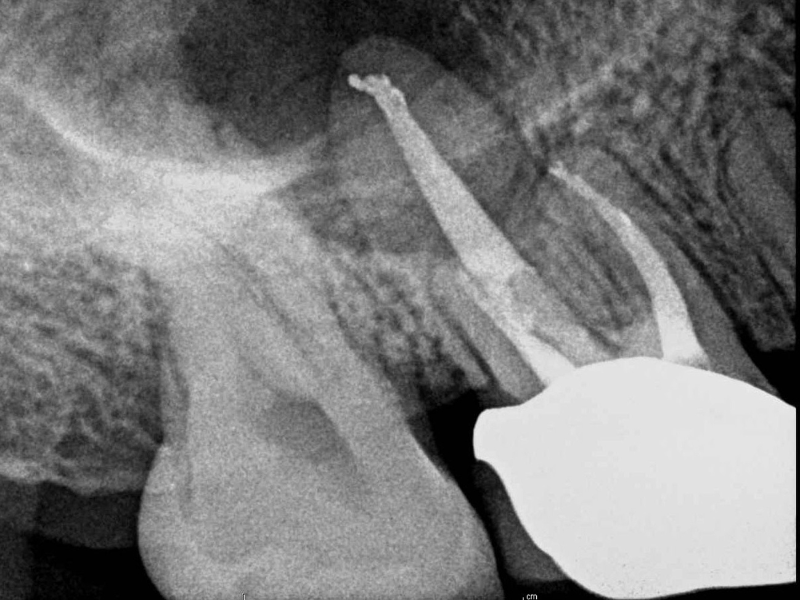
Your first appointment begins with a thorough clinical exam and detailed X-rays to identify exactly where the infection is and how far it has progressed. Dr. Faranak Khasraghi reviews the shape of your root canals, checks for signs of infection in the surrounding bone, and assesses the overall condition of the affected tooth. This diagnostic step gives the team a complete picture before any treatment decisions are made.

Building a Plan Around Your Specific Case

Once the source of the problem is confirmed, a treatment plan is created based on the specific details of your tooth, the severity of the infection, and what restoration will be needed afterward. Dr. K walks you through every step so you know exactly what the procedure involves and what to expect once it’s complete. If a crown or additional restoration is necessary to protect the tooth long-term, that will be discussed and factored into your plan before treatment begins.

Clearing the Infection and Protecting the Tooth

On the day of your procedure, local anesthesia is applied to keep you comfortable throughout. The infected pulp and nerve tissue are removed using specialized root canal files, and the inside of the tooth is carefully cleaned, shaped, and disinfected. Once the canal is clear of bacteria and debris, it is sealed to prevent reinfection and prepared for its final restoration.

What to Do Once You Leave the Office

Mild soreness or sensitivity in the treated area is normal for the first few days and can typically be managed with over-the-counter pain relievers. Avoid chewing on the treated side until your permanent crown or restoration is fully in place, and stick to softer foods while the area settles. Keeping up with brushing and flossing during recovery supports healing and protects the surrounding teeth from additional stress.

Making Sure Your Tooth Is Healing as Expected

A follow-up appointment allows Dr. Khasraghi to confirm that the infection has cleared and that the tooth is responding well to treatment. If a permanent crown was part of your plan, this visit may include fitting or placing that final layer of protection. Ongoing checkups after treatment ensure the restored tooth continues to function properly and that your surrounding oral health remains on track.

Why Choose Our Endodontic Approach

Most people avoid root canal therapy for the same handful of reasons: fear of pain, uncertainty about the procedure, or a past dental experience that left them anxious about going back. These concerns are valid, and they’re exactly what Dr. Faranak Khasraghi had in mind when shaping how care is delivered at this practice. Every step of the process is designed to remove those barriers, starting with clear communication before treatment even begins. You won’t be rushed into a procedure you don’t fully understand, and you won’t leave with unanswered questions about what comes next.

The clinical side is handled with equal attention. Dr. K’s advanced training through the Dawson Academy and the United States Dental Institute means she approaches each case with a level of diagnostic precision that goes beyond a routine exam. Her recognitions, including America’s Top Dentist and Top Dentist by Northern Virginia Magazine, reflect a standard of care that patients have consistently experienced firsthand. What makes this practice a reliable choice isn’t just the credentials. It’s the fact that patients who come in anxious and uncertain leave with a clear understanding of their treatment, confidence in their care, and a tooth that’s been properly saved.

Dentist Woodbridge VA

Begin Your Treatment and Put the Pain Behind You for Good!

Booking a root canal appointment is not the hard part. Living with an infected tooth is. Dr. K and the team at County Center Dental Group have helped countless patients take that first step, and what they find on the other side is a procedure that was far more straightforward than they anticipated. Drop us a message on Facebook or call our practice at 703.670.4888 to schedule your appointment. Either way, our team will make sure you feel informed and prepared before you arrive.

Request Appointment

FAQs

How long does a root canal take?

Most root canal procedures are completed in a single appointment lasting between 60 and 90 minutes. More complex cases involving multiple canals or severe infection may require a second visit to ensure the tooth is fully treated. The location of the tooth plays a role as well. Molars typically take longer to treat than front teeth due to their more intricate root structure.

How much does a root canal cost?

The cost of root canal therapy varies depending on the tooth being treated, the complexity of the infection, and whether a crown or additional restoration is needed afterward. Front teeth are generally less expensive to treat than molars. Many dental insurance plans cover a portion of the procedure, and our team at County Center Dental Group is happy to help you understand your coverage and explore available payment options.

Does a root canal hurt?

Root canal therapy is performed under local anesthesia, which keeps you comfortable throughout the procedure. Most patients report feeling pressure or mild sensation but no significant pain during treatment. The discomfort that people typically associate with root canals comes from the infection itself, not the procedure. Once the infected tissue is removed, most patients feel considerable relief within a few days.

Are root canals bad for you?

Root canals are a safe, well-established dental procedure supported by decades of clinical research. The claim that root canals cause systemic illness has been thoroughly examined and is not supported by current scientific evidence. Leaving an infected tooth untreated is far more dangerous to your overall health than having the procedure performed by a qualified dentist.

Can you eat after a root canal?

It is best to wait until the local anesthesia has fully worn off before eating to avoid accidentally biting your cheek or tongue. Soft foods are recommended for the first day or two, and chewing directly on the treated tooth should be avoided until a permanent crown or restoration is in place. Following these simple guidelines protects the tooth during the initial healing period.

How do you know if you need a root canal?

Common signs include a persistent toothache, prolonged sensitivity to hot or cold, tooth discoloration, swollen or tender gums, and a recurring pimple-like bump near the affected tooth. Some cases present with little to no symptoms, making regular dental checkups essential for early detection. An X-ray and clinical exam are the most reliable ways to confirm whether root canal therapy is needed.