

Not every dental provider places implants the same way, and that difference in approach has a direct impact on how your implant looks, feels, and holds up over time. At County Center Dental Group, Dr. Faranak Khasraghi, DDS, DMD brings over 20 years of experience, dual degrees from top dental institutions, and specialist-level training to every implant placement procedure. Her recognition as America’s Top Dentist reflects a standard of care that patients throughout Northern Virginia have come to rely on.
Implant Placement (by Specialist)
Why Specialist Placement Matters More Than Most Patients Realize
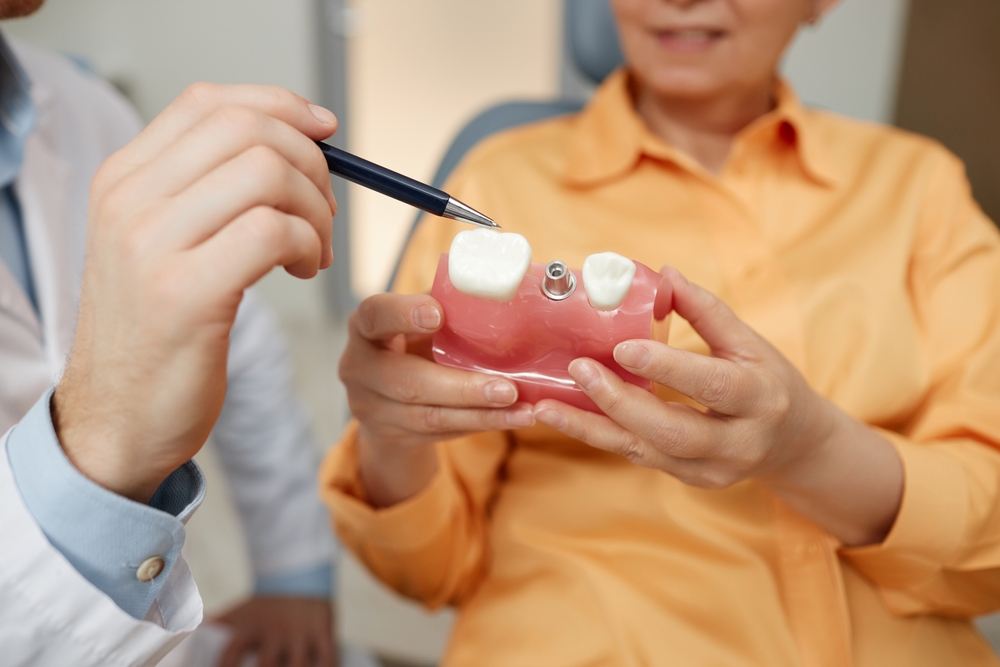
Many patients assume that placing a dental implant is a straightforward procedure. In reality, the placement stage is the most technically demanding part of the entire implant process, and the decisions made during surgery directly determine whether the implant integrates properly or fails. Factors like the angle of insertion, the depth of placement, and the condition of the surrounding bone all require a level of clinical judgment that goes well beyond general dental training.
A specialist evaluates far more than just the gap left by a missing tooth. Bone density, gum tissue health, nerve proximity, and bite alignment all play a role in determining the safest and most effective placement approach for each individual patient. When any one of these factors is overlooked or misjudged, the consequences can include implant failure, nerve damage, or the need for corrective surgery. Specialist-level training exists precisely to anticipate and prevent these outcomes, giving your implant the strongest possible foundation from the very first step.
Benefits of Expert Implant Placement
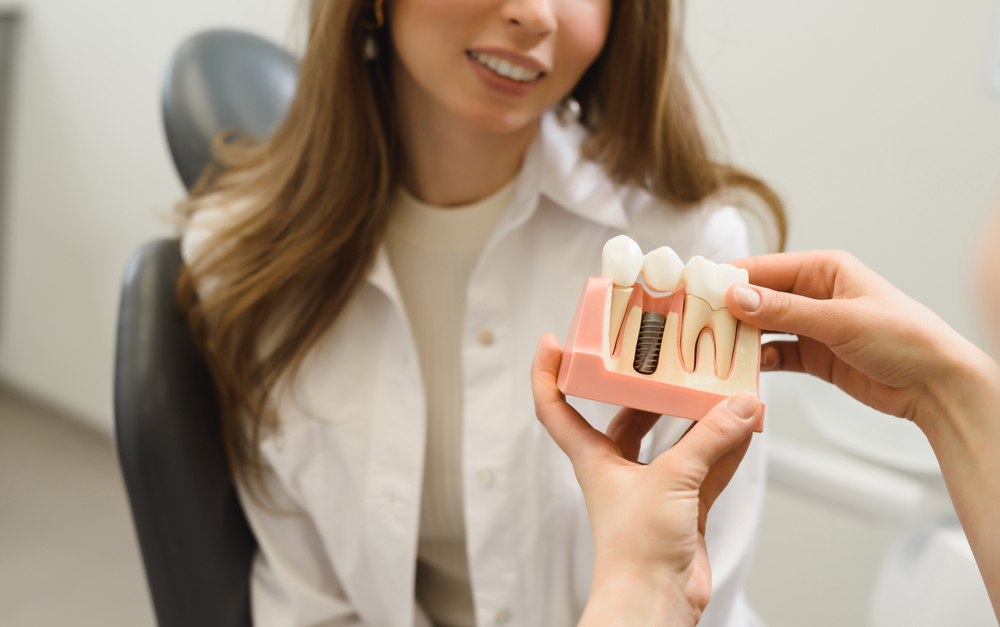
Careful placement sets up everything that comes after it. When an implant is planned and placed with care, your gums, bone, and final crown all benefit. At County Center Dental Group, Dr. Khasraghi and Dr. Changi, a board-certified periodontist, plan each dental implant using 3D X-rays of your jaw.
The Hidden Risks of Delaying Implant Placement
A missing tooth may not feel urgent, but the space it leaves keeps changing over time. Waiting can affect your budget, your oral health, and your comfort. Here is what putting off implant placement can mean for you.
The Financial Risk of Waiting Too Long
After a tooth is lost, the bone under it can slowly shrink. The longer you wait, the more likely you are to need bone grafting before an implant can be placed, which adds time and cost. Getting an implant does not have to mean a surprise bill, either. County Center Dental Group accepts most PPO plans and offers financing through Cherry and CareCredit. At your first visit, you get a clear picture of the process and can ask questions before anything begins.
The Health Risk of Leaving a Gap
When a gap stays open, nearby teeth can drift into the space and change your bite. That can make your teeth harder to clean and raise the chance of gum disease. If you worry your gums or bone are not healthy enough, that does not always rule you out. Your first visit includes 3D X-rays and a close look at your bone and gum tissue, so your plan is built around your health.
The Safety Risk of Putting Off Treatment
A shifting bite can put extra strain on your jaw joints over time, and loose dentures can rub and cause sore spots. The placement itself is done with local anesthesia, so you stay comfortable throughout. Most people have only mild soreness for a few days. You go home with clear aftercare instructions, and the team encourages you to reach out right away if anything feels off.
Why Choose Us for Implant Placement
Long-term implant success depends on accurate diagnosis, precise surgical execution, and a provider who understands how bone, tissue, and bite mechanics interact over time. Dr. Faranak Khasraghi holds both a DDS from Shiraz University and a DMD from the University of Pennsylvania, a dual-degree background that reflects a comprehensive understanding of how complex dental cases are evaluated and treated.
Her advanced training through the Dawson Academy and the United States Dental Institute directly informs how she assesses bone structure, plans implant positioning, and anticipates the long-term demands placed on a restoration. Active memberships in the American Dental Association, Virginia Dental Association, and Northern Virginia Dental Society keep her practice current with evolving clinical standards. When the goal is an implant that holds up for decades, the provider’s clinical foundation is not a background detail. It is the deciding factor.


Good Implant Outcomes Begin With the Right Provider!
Deciding on implant placement is not something most people do lightly. It takes time, research, and a provider you actually trust to handle it well. Dr. Khasraghi and Dr. Changi at County Center Dental Group has spent over 20 years earning that trust, one case at a time. Check out our Facebook page, where you will find real patients, real results, and honest content about what implant placement actually involves. A real person picks up at 703.670.4888, no automated systems, no long holds.
FAQs
How long after implant placement can the crown be placed?
Most patients need to wait three to six months after implant placement before a crown can be attached. This waiting period allows the titanium post to fully fuse with the jawbone in a process called osseointegration. Once the implant is confirmed to be stable during a follow-up visit, your dentist will proceed with taking impressions and fabricating your permanent crown.
Does implant placement hurt?
The procedure itself is performed under local anesthesia, so you should not feel pain during the surgery. Afterward, it is normal to experience mild soreness, swelling, or pressure at the surgical site for a few days. Most patients manage post-procedure discomfort with over-the-counter pain relievers and find that symptoms resolve within a week.
How long does implant placement take?
A single implant placement procedure typically takes between one and two hours from start to finish. If multiple implants are being placed, or if additional preparatory steps like bone grafting are needed, the procedure may take longer. Your provider will give you a time estimate based on your specific treatment plan during the consultation phase.
Can you eat after implant placement?
You can eat after the procedure, but you should stick to soft foods for at least the first few days. Foods like yogurt, mashed potatoes, smoothies, and soup are gentle on the healing site and reduce the risk of irritation or disruption. As healing progresses, you will gradually reintroduce firmer foods, and your provider will advise you on when it is safe to do so.
How long is the waiting time between dental implant placement and cleaning?
Most dental providers recommend waiting at least two to four weeks after implant placement before returning for a routine cleaning. This gives the surgical site enough time to begin healing without risk of disruption from cleaning instruments. Your dental team will let you know when you are ready for a standard cleaning and will take extra care around the implant site to protect it during the appointment.